


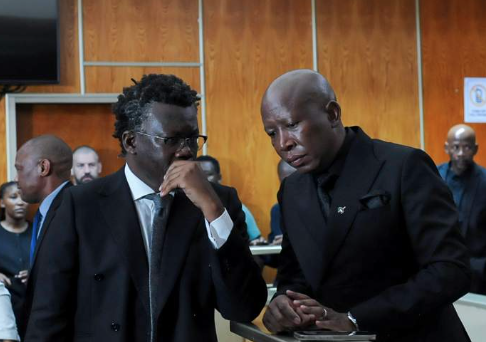
Its still early again to conclude: Higher courts can still intervene when there are clear signs that justice may not have been fully served.
If it emerges that key evidence was overlooked, or that procedural fairness was compromised, the implications could extend beyond the sentence itself. In such cases, appellate courts are empowered not only to adjust or overturn a sentence, but in serious instances, to revisit the conviction entirely.
This possibility brings renewed focus to the legal position of the EFF leader as discussions around a potential appeal continue to build. While the trial court may have refused leave to appeal the conviction, the legal system provides a pathway for higher courts to step in where there are reasonable prospects that justice may not have been fully achieved.
An appeal against sentence is often the immediate route pursued after judgment. In this process, the court does not rehear the case from the beginning, but carefully reviews whether the sentencing court properly applied the law, considered all relevant factors, and exercised its discretion fairly. At the same time, the broader record of the trial remains open to scrutiny, especially where concerns about fairness are raised.
Legal experts note that if the appeal court finds that the trial itself was compromised, whether through the exclusion of critical evidence or procedural irregularities, the consequences may reach further than initially expected. The integrity of the conviction can come into question, opening the door for more extensive remedies.
As the matter progresses, there is also the potential for release under conditions while the appeal is pending, depending on the strength of the application and surrounding circumstances.






Leave a Reply