



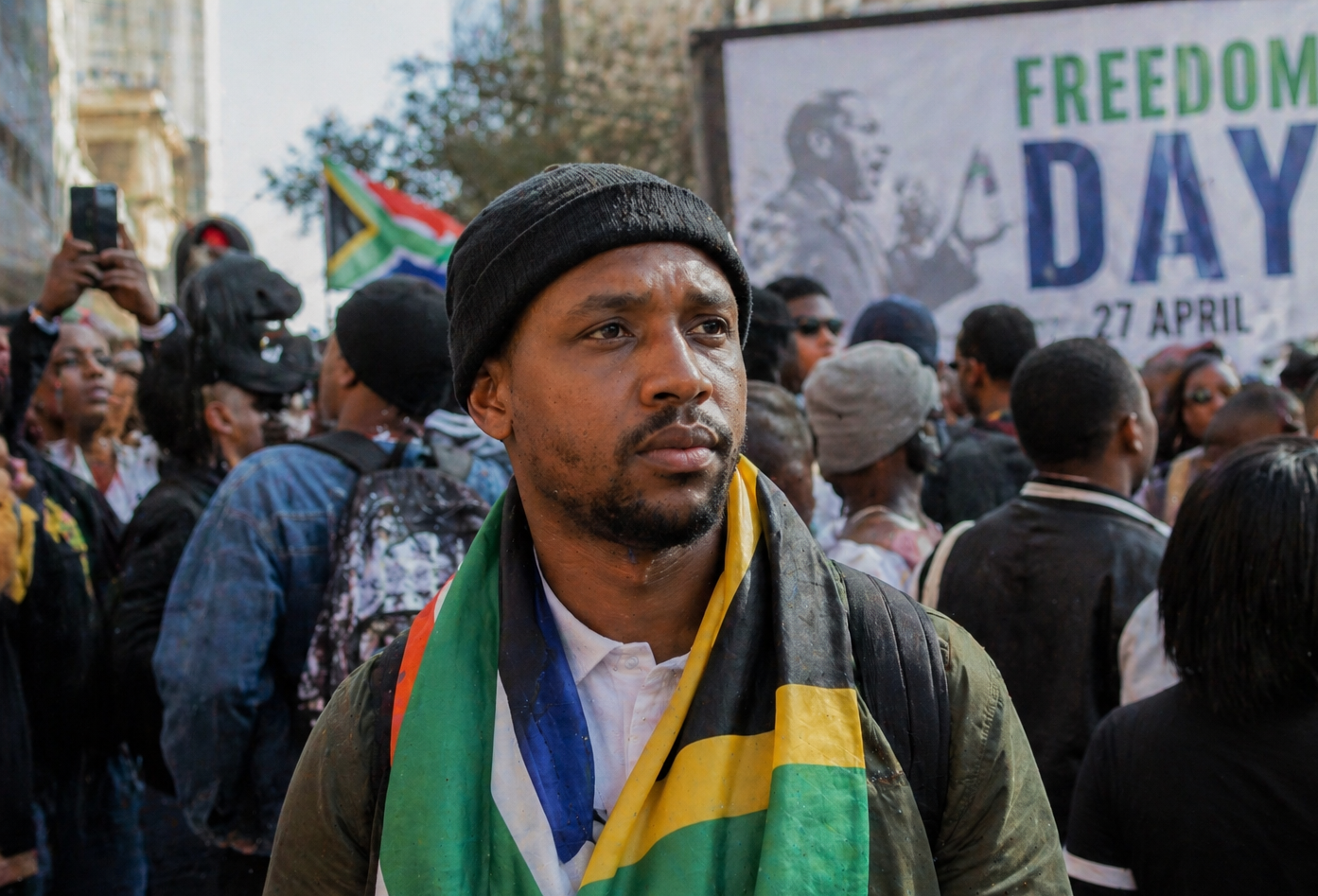
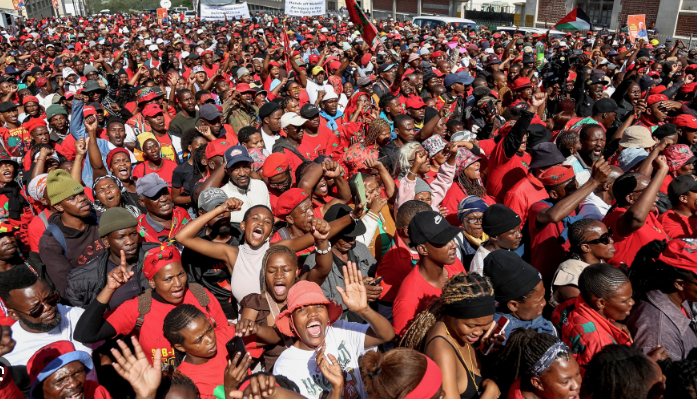
The ongoing marches against foreign nationals operating businesses illegally in South Africa have sparked intense debate among communities and migrants alike.
At the heart of the issue is a difficult question: when those responsible for enforcing the law fail to act, should ordinary citizens remain passive while the impact is felt on the ground?
Many community members argue that illegal business operations, undocumented individuals, and weak enforcement have created an environment where rules are ignored. On the other hand, foreign nationals point out that some of them hold official documents, even though there have been cases where government officials were arrested for issuing fraudulent permits. This raises a serious concern that even “legal” documentation may not always be legitimate.
Government’s position is clear in principle. South African law does not permit illegal immigration, and there are established channels for entry, residence, and business. The real challenge lies in enforcement. Research in governance and law supports this tension. Studies on procedural justice, particularly by Tom R. Tyler, show that people are more likely to follow the law when they believe authorities are fair and effective. When that confidence weakens, compliance declines, and people begin to justify acting outside formal systems.
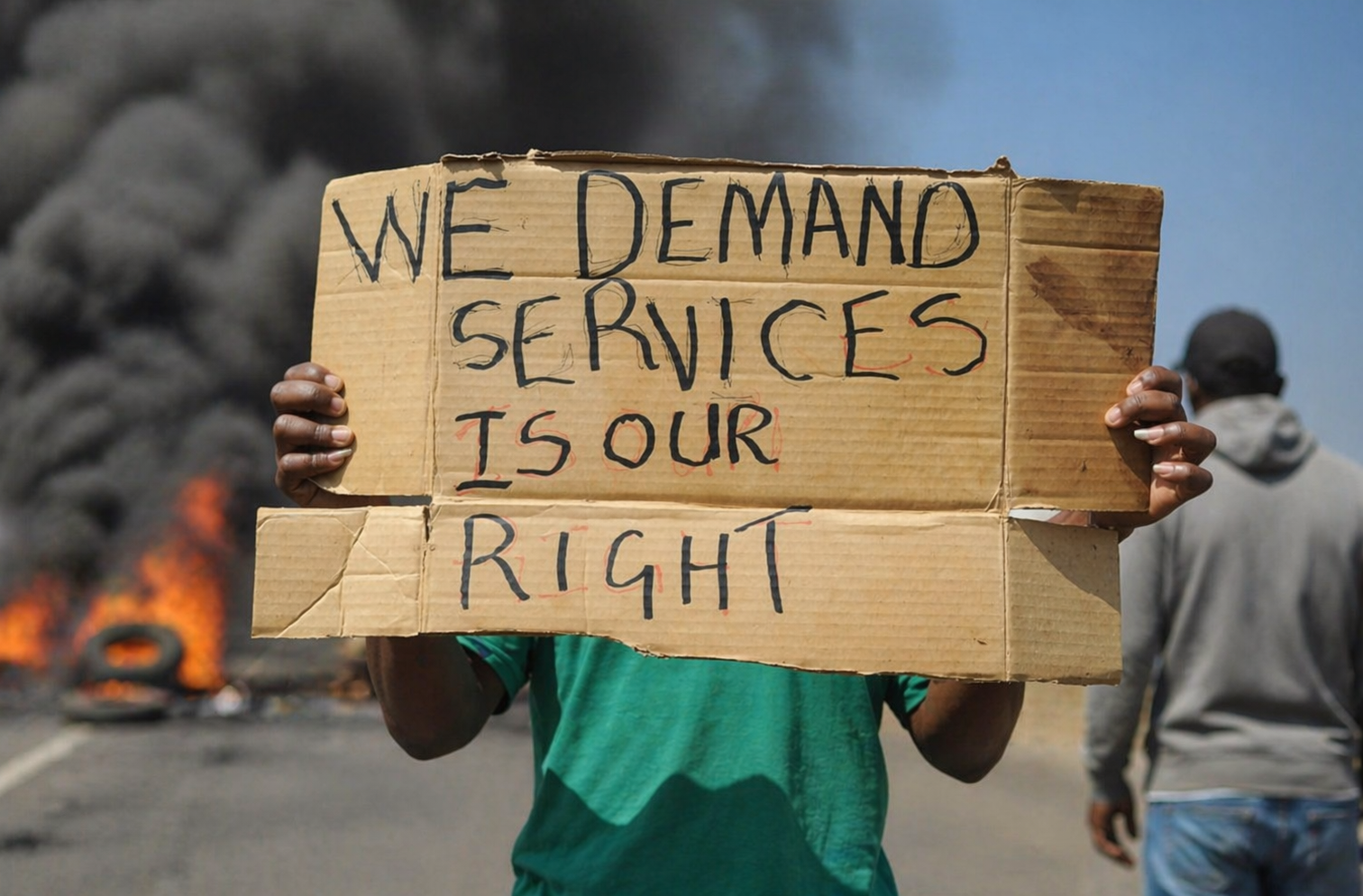
When enforcement is inconsistent or weak, frustration grows, and communities begin to feel compelled to act on their own. This is further explained by the concept of legal cynicism, identified by Robert Sampson, where communities lose trust in the law’s ability to protect them. In such conditions, informal forms of control can emerge, sometimes escalating beyond lawful boundaries.
The situation also has economic consequences. The closure of shops affects supply chains, small resellers, and even transport operators such as the taxi industry. Allegations of expired or unsafe goods being sold further highlight the need for proper regulation and monitoring by authorities.
The solution must come from decisive and visible government action. This includes verifying business compliance, auditing documentation, strengthening border control, and addressing corruption within state systems. At the same time, law enforcement must act fairly and without targeting individuals based on nationality alone.
Ultimately, restoring trust requires a balance between firm enforcement and respect for the rule of law. Without that balance, the situation risks escalating into a broader crisis that affects both social stability and economic activity.





Leave a Reply