


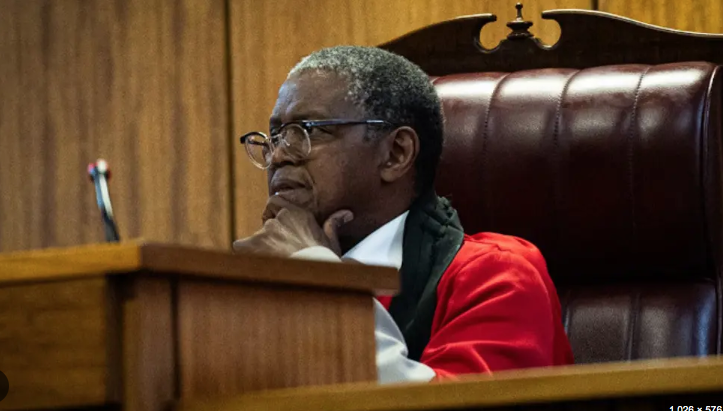
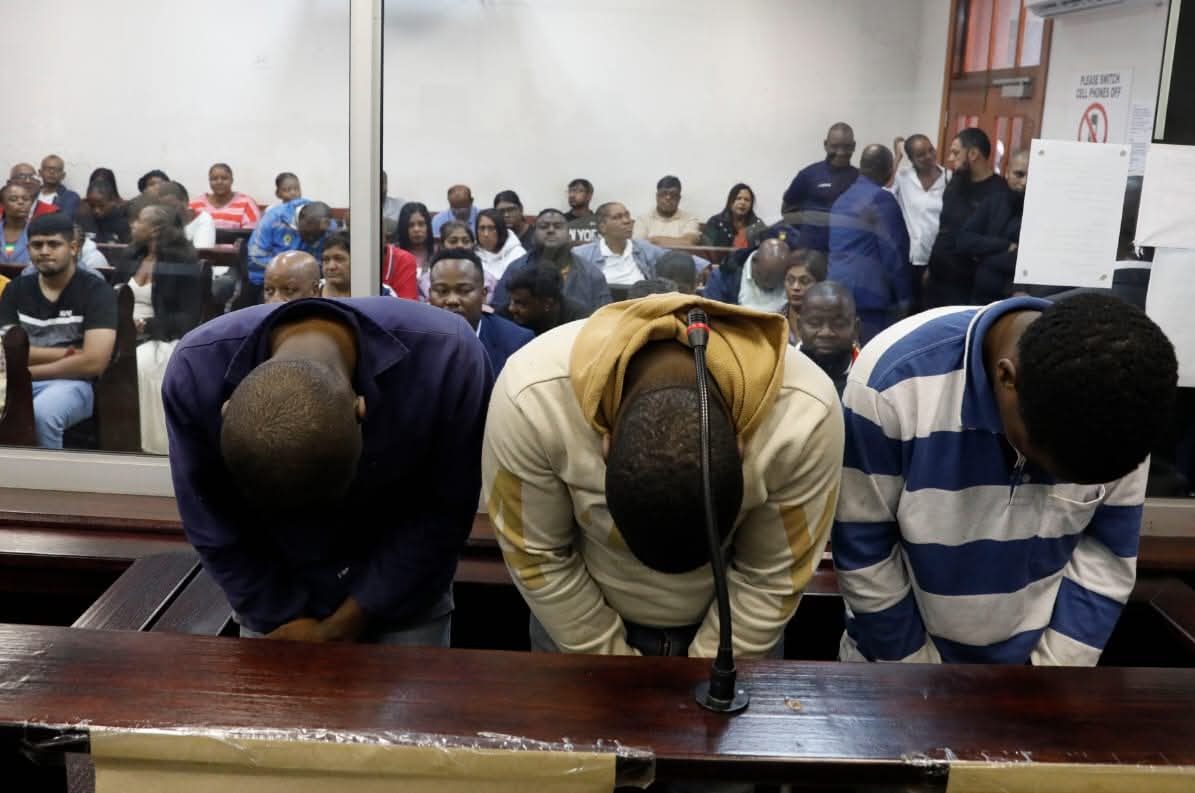
The ongoing Senzo Meyiwa case has become more than just a search for truth. It has exposed how fragile justice can be.
when evidence is mishandled or procedures are not properly followed.
At the heart of any criminal case is evidence. When steps are skipped, statements conflict, or investigations are poorly managed, the entire process becomes compromised. This does not only delay justice, it risks a complete collapse of the case. In such situations, both the accused and the victim’s family are affected.
South Africa has seen similar concerns before. In S v Pistorius (2014–2017), although there was a conviction, the case highlighted how inconsistencies and interpretation of evidence can shift outcomes over time. In other instances, individuals have been arrested, publicly associated with serious crimes, and later released due to lack of evidence, yet the damage to their reputations remains permanent.
This raises a deeper issue. When people are implicated without strong evidence, their lives are disrupted. Employment, dignity, and social standing are affected long before a final verdict is reached. For those without financial means, challenging the state becomes even more difficult.
There is a growing need for accountability. Those responsible for collecting and handling evidence must be held to a higher standard. Where negligence occurs, consequences should follow.
At the same time, public prosecution must be handled with care. If evidence is weak, cases should not be rushed into the public domain.
Justice is not only about conviction.
It is about fairness, accuracy, and protecting all involved.





Leave a Reply