


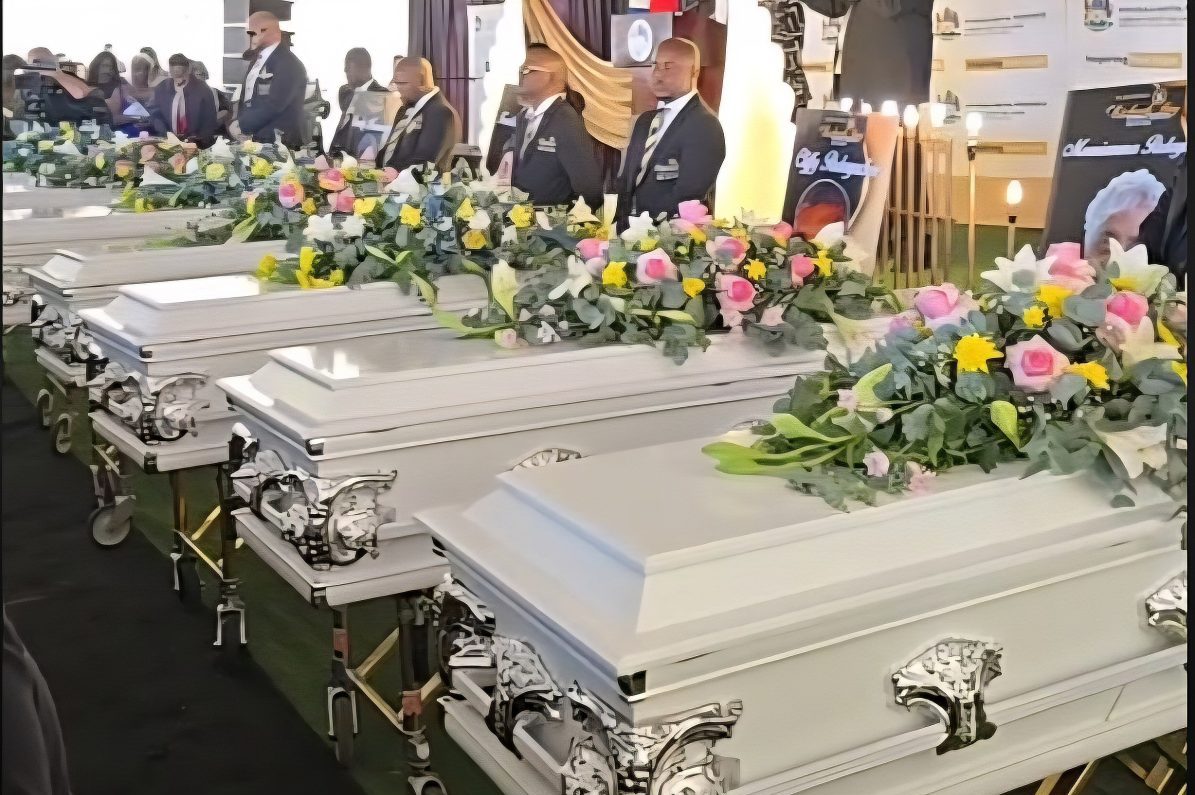
When Drugs Take Control, Cruelty Replaces Conscience and That Forms Part of What Could Drive a Human Being to Hostility.
As seven coffins are lowered into the ground today in KwaZulu-Natal, the silence carries more than grief. It carries questions that have been asked too many times. A family is gone, taken in an act so brutal it has shaken the province. The police have done what is expected. Suspects have been arrested, the case is before the courts, and the process of justice has begun. Government officials have offered support, assisted with funeral arrangements, stood with the family, and addressed the public. All of that matters. But it does not change the one reality that defines this moment. The victims will never return.
The people who committed this crime knew the consequences. They knew that arrest would follow, that prison would likely be their end. Yet the crime still happened. That is where the conversation must deepen. Because if the outcome is known and still ignored, then something more powerful is influencing behaviour at community level.
This is where prevention becomes more important than response. Policing alone cannot keep pace with a cycle that continues to produce new offenders. Research from bodies such as the South African Medical Research Council and international crime studies has long pointed to substance abuse as a major driver of violent behaviour. Drugs alter thinking, fuel aggression, and remove restraint. In that condition, people can act with a level of cruelty that sober reasoning would resist.
While government support in times of loss is necessary, it cannot be the only visible response. Standing at funerals and reporting arrests must be matched with stronger action where it matters most. The spread of drugs in communities is not a side issue. It is a central threat that feeds crime at its source. Without firm and sustained programmes to reduce availability, disrupt distribution, and rehabilitate those affected, the number of offenders will continue to rise faster than the police can respond.
Today’s burial is a moment of mourning, but it is also a moment of accountability. The challenge to government is clear. Doing more after the crime is no longer enough. More must be done before it happens.



Leave a Reply